How Technical SEO Services Boost Website Performance
Technical search engine optimization is a component of search engine optimization that helps make a website easier for search engines to read and simpler for people to use. While content and links are important, technical SEO often determines whether that content can be found, indexed, and ranked at all. For the sake of businesses investing in web design, seo services, digital marketing, and support from ai experts, technical improvements can create measurable gains in website performance, organic traffic, and conversion rates.
In a competitive environment like Rochester, NY, these upgrades count even more. Local service companies, B2B firms, and retail brands all vie for presence in the same search results. When your site loads faster, has a cleaner navigation system, and avoids indexing problems, you create a stronger chance to win local search visibility and attract more leads.

How Technical SEO Services Really Work
Technical SEO services center on the technical elements that influence how search engines browse, understand, and evaluate a website. They improve site health by making sure important pages are reachable, arranged, and ready for indexing. This work enhances both search engine optimization and the overall user experience.
A primary aim is enhancing crawlability, which means allowing search engines move through your pages efficiently. If bots spend time on low-value pages or face site errors, important content may not get attention. Strong crawlability supports better crawl budget use, especially on larger sites with many service pages or blog articles.
Technical SEO also boosts indexability. A page can be crawlable but still fail to appear in search results if it is restricted, duplicated, or not structured properly. Services often review indexation patterns in Google Search Console to find pages that should be indexed but are being ignored because of indexing issues or conflicting directives.
Site architecture is another foundation. A logical site architecture helps search engines understand which pages are most important and how they relate to one another. It also makes the site easier for users to navigate, which supports both performance optimization and conversion goals.
An XML sitemap gives search engines a roadmap of key pages. When maintained correctly, it can help surface new pages faster and reduce the chance that valuable content gets overlooked. Technical SEO services typically make sure the XML sitemap is well-organized, updated, and aligned with the current site structure.
Other core tasks may include checking HTTPS, reviewing redirects, fixing broken links, and evaluating the robots.txt file. Together, these adjustments strengthen site health and improve how the site is seen by search engines and visitors alike.
In what way does Technical SEO Boosts page speed and user satisfaction
Loading speed is one of the best ways technical SEO influences website functionality. A lagging site can bother users, reduce engagement, and hurt rankings. Search engines closely monitor page speed, page load time, and Core Web Vitals because they show real user experience.
Core Web Vitals measure practical aspects of performance such as load time, responsiveness, and visual stability. If a site hesitates when a visitor tries to interact, the experience becomes clunky. Technical SEO services often analyze server response time, image handling, script usage, and content delivery to cut friction and boost site speed.
Mobile responsiveness is equally important. Google uses mobile-first indexing, which means it primarily evaluates the mobile version of a website for ranking purposes. A site that looks fine on desktop but malfunctions on mobile can lose visibility and irritate people searching from phones. That matters in Rochester, NY, where users in downtown Rochester, the East End, and surrounding Monroe County areas often search on the go.
Rendering also serves a major role. If important content loads too late or is hidden by JavaScript problems, search engines may struggle to interpret it. Technical SEO examines rendering behavior to ensure key elements are available quickly and consistently.
For business owners, these improvements are not just technical wins. Faster pages can improve conversion rates because users are more likely to stay, read, click, and submit a form. Better mobile usability can also reduce bounce rates and support better digital presence across devices.
Why Website Structure Counts for Search Visibility
Website structure influences how both users and search engines move through a site. A smart navigation setup can help people find what they need fast while signaling topical importance to search engines. This is where internal linking becomes essential.
Internal linking helps pass authority across your site and guides crawlers toward the pages that matter most. A well-planned internal linking strategy supports ranking factors by explaining relationships between service pages, location pages, blog content, and conversion-focused landing pages.
Canonical tags are another important part of structure. They tell search engines which version of a page should be treated as the primary one when similar or duplicate pages exist. This is especially useful for e-commerce stores, service businesses with location variations, or sites with filterable content.
URL structure also affects clarity and usability. Clean URLs are easier for visitors to read and easier for search engines to interpret. A logical URL structure should align with the rest of the navigation structure, making the site feel organized and trustworthy.
Navigation itself should be easy to use, consistent, and designed around user intent. If users cannot find key service pages within a few clicks, they are more likely to leave. Good navigation reduces confusion, strengthens crawlability, and supports organic traffic by making important content easier to discover.
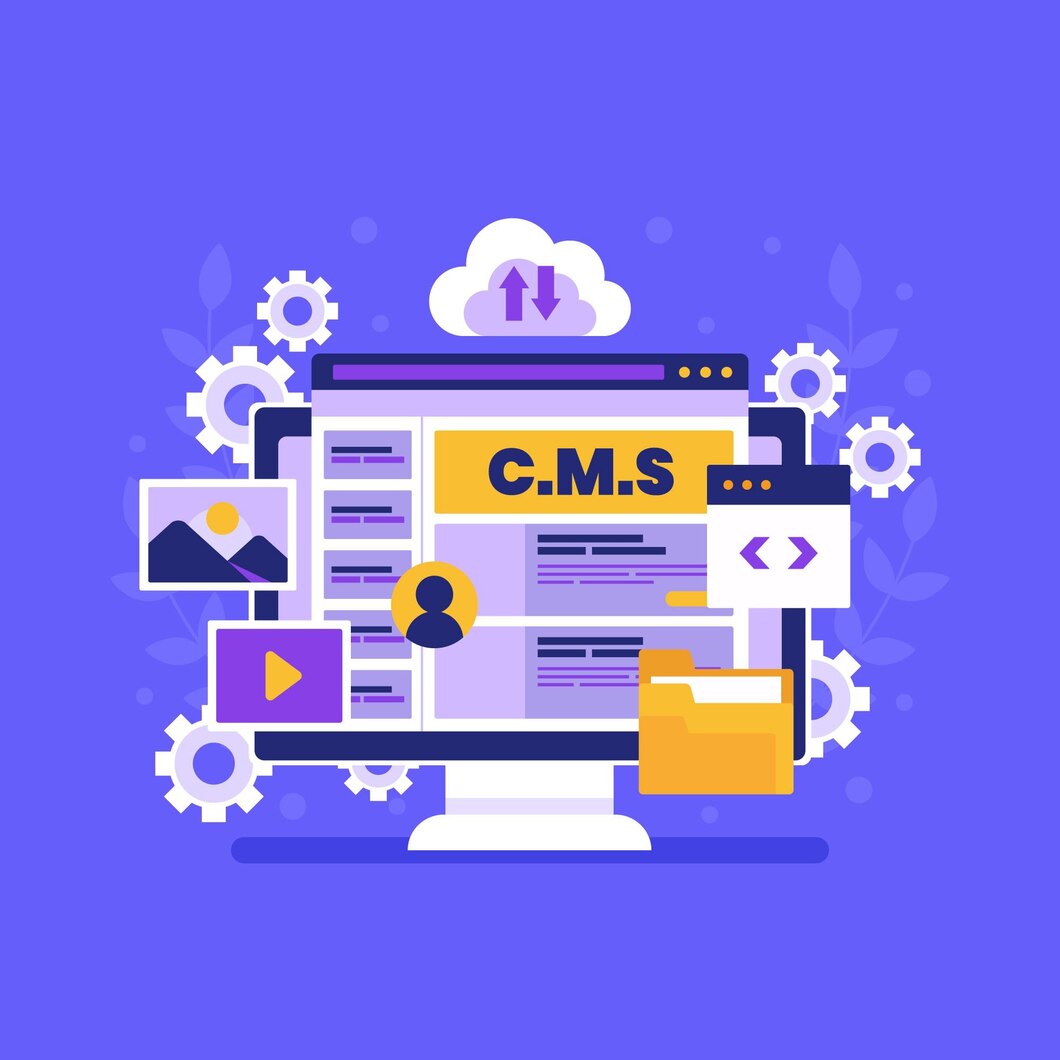
When all of these elements work together, the site becomes easier to index and easier to use. That combination improves search visibility and supports the business goals behind the website.
How Technical SEO Supports Website Design and Content Strategy
Technical SEO and web design should not ever be treated as distinct projects. Effective web design influences how people engage with the site, while technical SEO ensures the design is discoverable, quick, and optimized for search. Working together, they create a more effective base for digital marketing.
One of the key connections is content hierarchy. A page should present information in a way that aligns with user expectations and search intent. Clear headings, logical section ordering, and strong semantic markup help search engines understand the page structure while boosting readability for visitors.
Schema markup is a practical example of this overlap. It supplies search engines structured context about a page, such as business details, services, reviews, or FAQs. In many cases, schema markup is part of larger structured data implementation. This can enhance how search results appear and strengthen stronger click-through rates.
For businesses in Rochester, NY, this matters because local competition is intense across service industries, B2B, and retail. A site that combines thoughtful web design with accurate schema markup can strengthen trust and make a brand stand out in busy search results.
Technical SEO also improves conversion optimization. If a homepage, service page, or landing page loads quickly and presents information clearly, users are more likely to convert. This could mean calling the business, filling out a form, booking an appointment, or visiting a location. That is where technical improvements directly increase revenue.
Content strategy becomes more powerful when the technical foundation is solid. Writers and marketers can create useful https://irondequoit-ny14586kc160.timeforchangecounselling.com/how-to-address-search-engine-issues-on-your-website-in-rochester-ny pages, but without proper crawling, indexing, and rendering, that content may fail to rank. Technical SEO ensures the content can do its job.
Frequent SEO technical issues That Damage Performance
A lot of websites fall short because of avoidable site problems. Certain issues are small, but when they accumulate, they can weaken site health and hurt rankings.
Dead links are a common example. They cause dead ends for users and search engines, burning crawl budget and delivering a poor experience. Frequent audits can find broken links before they lead to long-term problems.
Duplicate content is another issue that can split ranking signals and mislead search engines. It often appears when similar pages are created without clear canonical tags or when content is repeated across multiple URLs. Technical SEO services identify these patterns and recommend solutions that consolidate authority.
Page redirects can also impact performance when they are handled poorly. Redirect chains, where one URL points to another and then another, hinder navigation and make it harder for crawlers to reach the final page. Clean redirects are more efficient and preserve more value.
The robots.txt file can also lead to unintended problems if it blocks important resources or pages. A simple mistake here can prevent indexing or interfere with how search engines view the site. Reviewing robots.txt is a basic but vital part of any technical audit.
Additional problems may include slow server response time, missing HTTPS, and poor mobile usability. Each one can contribute to weaker rankings and lower engagement. The longer these problems remain unresolved, the more they can limit organic traffic and conversion rates.
How SEO solutions Help Rochester, NY Businesses Compete
Rochester, NY is a highly competitive market with a mix of B2B companies, service providers, and local retail businesses all trying to earn visibility online. For these organizations, SEO services are not just about keyword placement. They are about building a digital marketing system that supports local search visibility and business growth.
Local SEO is especially vital in this market. When people search for services nearby, the results often depend on proximity, relevance, and trust signals. A strong Google Business Profile, consistent business information, and an optimized website all work together to improve performance.
That is why technical SEO and local SEO should complement each other. A fast site with clean indexing and structured data can reinforce the authority of a Google Business Profile listing. Meanwhile, reviews, service details, and local landing pages help search engines connect the business to Rochester-area searches.
This is especially relevant for mobile users searching around downtown Rochester, the East End, Brighton, Irondequoit, Greece, and Henrietta. These searches are often immediate and intent-driven. If a site loads slowly or does not display well on phones, competitors can win the lead before the user even finishes scrolling.
For local businesses, technical SEO can improve more than rankings. It can support bookings, phone calls, and foot traffic. When digital marketing campaigns send visitors to a technically sound site, the entire campaign becomes more efficient.
What exactly to Expect from a technical SEO audit
A technical site audit is the starting point for understanding what is helping or harming website performance. It is a thorough site audit that analyzes how the site is crawled, indexed, and used by users.
During the audit, specialists often assess crawlability, indexability, internal linking, redirects, canonical tags, page speed, Core Web Vitals, mobile responsiveness, and structured data. They also look at Google Search Console to spot indexing issues, coverage problems, and performance patterns that may be restricting search visibility.
Google Analytics is equally important because it shows how users interact once they arrive. If traffic is increasing but engagement or conversion rates are weak, the issue may be linked to load times, layout, or user experience. The data helps tie technical fixes to business outcomes.
More advanced audits may include log file analysis. This reveals how search engines actually crawl the site, not just how the site appears in a browser. Log file analysis can surface wasted crawl budget, overlooked pages, and patterns that explain why certain sections are underperforming.
At the end of the audit, you should receive technical recommendations that are organized by impact and effort. The best audits do not just list problems. They show which changes will boost website performance, support ranking factors, and strengthen the site’s digital presence.
In many cases, ai experts can support with pattern detection, large-scale diagnostics, and content classification during the audit process. Human strategy still matters, but AI tools can help surface issues faster and support smarter decision-making.
When to Get Technical SEO Support
Businesses usually need technical SEO support when the site is scaling, lagging, or about to undergo a redesign. If your site is receiving traffic but not converting, if rankings are slipping, or if pages are not being indexed correctly, it may be time to invest in SEO services.
Tech support also plays a key role once a web design update. A redesign can unintentionally break redirects, alter site architecture, or remove important content. Without careful oversight, a better-looking site can perform worse in search results. That is why technical SEO should be part of every redesign plan.
Ongoing optimization is another reason to hire support. Search engines change, competitors improve, and websites accumulate issues over time. Regular maintenance keeps site speed, crawlability, and indexability in strong condition. It also ensures the website continues supporting search engine optimization and digital marketing goals.
For Rochester, NY businesses, the decision often comes down to local competition. If nearby companies have faster websites, stronger Google Business Profile listings, and better local search visibility, technical SEO can help close the gap. Whether you serve customers in Rochester or nearby communities like Brighton, Irondequoit, Greece, or Henrietta, performance matters.
In the end, technical SEO is not just a checklist. It is a performance strategy. By improving website performance, supporting user experience, and making sure search engines can fully understand your site, technical SEO helps turn traffic into leads and leads into customers.
FAQ
What do technical SEO services include?
Technical SEO services usually include a technical audit, crawlability and indexability checks, site architecture review, XML sitemap optimization, robots.txt review, canonical tags cleanup, broken links fixes, redirect cleanup, page speed improvements, structured data implementation, and mobile usability analysis. They may also include Google Search Console and Google Analytics review to connect technical issues with performance outcomes.
Sunstone Digital Tech50 Fountain Plz #1400, Buffalo, NY 14202
(315) 758-3349
https://maps.app.goo.gl/y9HMhvcoPCh9V3eKA
https://sunstonedigitaltech.com/buffalo-marketing-agency/web-design
42.8898193, -78.8738661
How do technical SEO services improve page speed?
They improve page speed by reducing unnecessary code, improving server response time, optimizing images, streamlining redirects, fixing rendering problems, and improving content delivery. These changes can lower page load time, improve Core Web Vitals, and create a smoother user experience that supports higher conversion rates.
Why is technical SEO important for local businesses in Rochester, NY?
Technical search optimization is essential for local businesses in Rochester, NY because the market is crowded across B2B, service, and retail categories. A technically strong website supports local SEO, works better with a Google Business Profile, and assists mobile users looking in downtown Rochester, the East End, and Monroe County find and open the site fast. That can boost local search visibility and lead generation.
How often should a website get a technical SEO audit?
Most websites can use a technical SEO audit at least once or twice a year, with ongoing monitoring in between. Larger sites, e-commerce stores, and businesses that often change content or redesign pages may need more regular reviews. Analytics, Google Search Console data, and performance trends can guide the right audit schedule.

Can technical SEO help with rankings and conversions at the same time?
Yes. Technical SEO can improve rankings by making the site easier to crawl, index, and understand, while also lifting conversions by speeding up the site and enhancing user experience. When visitors can find what they need quickly and trust the site’s structure, they are more likely to contact the business, request a quote, or make a purchase.