Artificial Intelligence Solutions for Improving Design Performance and Visitor Experience in Rochester, NY
Why AI Counts for Contemporary Web Design
Contemporary web design is not simply about making a website appear polished. It needs to support user experience, search presence, and measurable business outcomes at the same time. For organizations in Rochester, NY, it matters even more because the local market includes small businesses, B2B firms, and service providers competing for attention in both branded and non-branded search. AI allows teams decide on design improvements faster by combining machine learning with automation to identify patterns in user behavior, make testing easier, and enhance scalability for design.
Rather than using only manual opinions, AI-driven workflows can analyze how visitors move through a site, where they drop off, and which elements support engagement. It creates a stronger match between visuals, messaging, and the user journey. For instance, an HVAC company in Henrietta may need a different navigation structure than a law firm in Downtown Rochester, and machine learning can help identify what content layout best supports each audience.
AI further supports faster iteration. Tasks that once took hours, such as scanning pages for UX issues, summarizing heatmaps, or reviewing session recordings, can now be simplified through automation. This means, designers and marketers can spend more time refining the experience and less time on repetitive work. When design ties into real performance metrics, it becomes easier to improve trust, reduce friction, and strengthen the call to action across the site.
How AI Enhances Website Performance
Reliable website performance begins with a quick, consistent experience that works well on every device. AI enables teams identify issues that hurt page speed, Core Web Vitals, and overall site responsiveness before they hurt rankings or conversions. This is especially important in the Greater Rochester area, where users often search on mobile while comparing nearby providers, and a slow site can quickly lose attention.
A highly practical use of AI is image optimization. AI tools can compress files, suggest proper formats, and adjust visuals automatically without hurting quality. That matters for businesses with large service galleries, product catalogs, or portfolio pages. Better image handling boosts site speed and cuts page weight, which can positively influence both user satisfaction and technical SEO.
AI can also evaluate hosting performance and identify bottlenecks that affect load time. When a website experiences poor response times during peak traffic, the issue may be tied to server configuration, plugin overload, or inefficient scripts. AI-based monitoring helps spot these patterns sooner, allowing teams to adjust resources and maintain the user experience. That leads to better site speed, better engagement, and reduced drop-offs.
For businesses in Rochester competing in crowded local search results, performance is not optional. A mobile-friendly, fast-loading site supports ranking factors and supports search visibility. Whether the goal is lead generation for a consulting firm in Brighton or appointment requests for a service business in Greece, performance improvements can directly affect the conversion funnel.
Leveraging AI to Elevate User Experience
AI improves user experience by making websites more pertinent and adaptive to different visitors. Personalization is one of the clearest cases. AI can adapt homepage content, service recommendations, or prompts based on location, behavior, or past visits. A visitor from Rochester looking for local services may need different messaging than someone exploring your brand from outside the region.
Behavior analytics provides teams with insight into how users navigate a site in real time. By studying heatmaps, session recordings, click paths, and scroll depth, AI tools help uncover where visitors hesitate or disengage. These AI-driven insights are especially helpful when trying to improve content relevance and strengthen the customer experience. If users consistently miss a call to action, the issue may be placement and visibility, wording, or visual hierarchy rather than the offer itself.
Chatbots also play a major role in modern UX. They can answer common questions, qualify leads, and guide users toward the right service page without requiring immediate human support. For local businesses in Rochester, NY, a chatbot can route a visitor to the correct branch, request type, or quote form based on simple prompts. That supports lead generation while reducing friction for users who want quick answers.
When paired with conversion rate optimization, AI becomes even more powerful. It can compare variants of headlines, forms, button colors, and page layouts to determine what best https://anotepad.com/notes/rd7qrkxr encourages action. Instead of guessing which design works, teams can use data to improve engagement and streamline the path from first visit to conversion. This is especially valuable for service businesses where a small improvement in response rate can create meaningful revenue gains.
AI-Powered seo services for Improved Visibility
Effective seo services now are built on a blend of strategy, messaging, and technical expertise. Artificial intelligence helps enhance all three by improving keyword research, understanding search intent, and streamlining content optimization. For businesses in Rochester, NY, this allows creating pages that meet what local buyers actually want rather than pursuing broad terms that do not convert well.
Machine learning-driven keyword research can reveal content clusters, meaning-based variations, and long-tail queries that matter in nearby search. For example, a business targeting nearby customers may want to prioritize neighborhood-specific phrases, service-based intent, and questions people ask before they contact a provider. AI can organize these opportunities faster, making it easier to build content around the full search journey rather than a single keyword.
Intent analysis is equally important. A user searching for “best accountant near Brighton” has different expectations than someone searching for “tax preparation process.” AI helps identify those differences so pages can align with intent more precisely. That improves content relevance and supports search visibility across informational, commercial, and local intent queries.
AI also supports technical SEO by identifying missing structured data, thin content, broken internal links, or slow-loading templates. These issues affect ranking factors and can weaken organic traffic if left unresolved. When content optimization is informed by machine learning and real query data, the result is stronger messaging, greater topical authority, and improved performance in semantic search.
The Role of AI in Digital Marketing Strategy
AI is reshaping digital marketing by making campaigns more efficient and more attuned to audience behavior. For companies focused on lead generation, the main advantage is not just speed but precision. AI can help identify which channels generate the best performance metrics, which messages support the strongest engagement, and where to direct budget for better returns.
Analytics is central to that process. AI can identify trends across traffic sources, landing pages, and conversion paths to show what is actually working. A Rochester business may discover that one service page drives most inquiries from mobile users while another underperforms due to weak content relevance or poor page structure. That kind of insight supports better decision-making across the full funnel.
Campaign automation helps marketers respond more quickly without losing consistency. From email follow-ups to ad audience segmentation, automation reduces manual work and improves timing. For example, a local service provider can automatically send a lead-nurturing message after a form submission, then tailor the next message based on the user’s actions. That keeps the conversation moving and supports the conversion funnel.
AI further supports content planning by linking audience behavior to topic development. When teams know which topics attract search visibility and which pages generate the strongest call to action performance, they can shape campaigns around measurable outcomes. In a market like Rochester, where competition often happens at the neighborhood level, that kind of detail can make a real difference.
What AI Experts Can Do for Rochester, NY Businesses
Experienced ai experts help organizations in Rochester, NY integrate web design, search, and marketing strategy into one measurable system. This matters because local businesses do not just need more traffic; they need more qualified leads, more relevant inquiries, and stronger conversion rates. AI specialists can analyze how a site performs for local search, what the competition is doing, and where improvements will have the greatest impact.
Rochester’s mix of local businesses, B2B firms, service providers, and technology-focused organizations creates a strong environment for AI adoption. The region’s innovation ecosystem makes it a natural fit for testing more efficient web design and digital marketing workflows. AI experts can support businesses that want to modernize without losing the human touch that local customers still expect.
One of the most useful services is competitive analysis. AI tools can benchmark your content structure, messaging, technical performance, and local search presence against nearby competitors in areas like Downtown Rochester, Brighton, Greece, and Henrietta. That makes it easier to see where your site is behind on mobile usability, page speed, or content depth.
AI experts can also identify opportunities tied to local search behavior. If nearby users are searching for fast answers, same-day service, or mobile-friendly contact options, your website needs to reflect those expectations. By combining local SEO with behavioral data, businesses can create pages that support both discovery and conversion.
Top Approaches for Integrating AI in Web Design
AI performs best when it backs up a focused approach rather than taking over it. The first focus should be accessibility. Any AI-assisted layout decision should still make the site easier to use for people with different devices, abilities, and browsing habits. That means maintaining legible contrast, structured heading structure, keyboard navigation, and clear labels for forms and buttons.
A/B testing is an additional essential practice. AI can recommend variants, but real users should verify what performs best. Test one major change at a time, such as a homepage headline, service page layout, or form placement, so the results are meaningful. This helps improve engagement without causing confusion about what caused the change in performance.
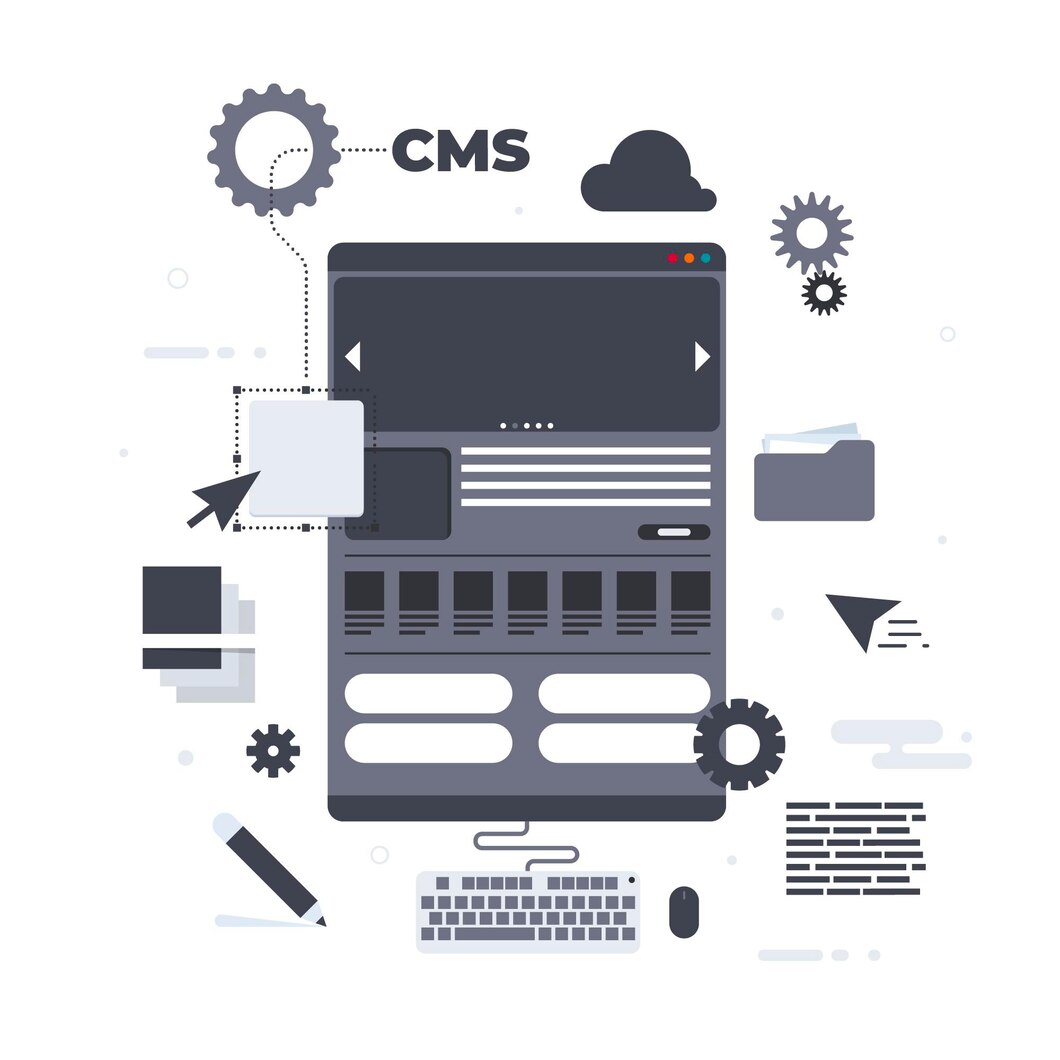
The content management system plays a role. AI should work within the tools your team already uses, whether that means automating metadata generation, recommending internal links, or highlighting outdated content. A scalable CMS makes it simpler to scale updates across multiple service pages, local landing pages, and blog content.
Finally, use UX audits to guide implementation. AI can help assess navigation, form flow, page hierarchy, and mobile usability, but human review is still essential. The best results come when AI-driven insights are paired with design expertise, customer feedback, and business goals. That balance improves design scalability while keeping the experience usable and intuitive.
Tracking Outcomes: Key Metrics That Count
Any AI project should be evaluated against the right key metrics. In web design and SEO improvements, the most important indicators usually include bounce rate, session duration, conversion rate, and organic traffic. These metrics show whether the site is attracting the right visitors and guiding them move forward.
An increased bounce rate can indicate that pages are not matching search intent, loading too slowly, or failing to communicate value quickly. If session duration rises after design updates, that often suggests stronger engagement and better content relevance. If conversion rate gets better, the design and messaging are likely making it easier for users to move through the conversion funnel.
Organic traffic is highly important because it reflects long-term search visibility. When AI-supported SEO services improve keyword targeting, technical SEO, and content optimization, search traffic should become more stable and more qualified over time. That is particularly useful for businesses in Rochester that rely on local discovery and repeat search behavior.
It is also worth tracking metrics tied to the customer experience, such as form completions, chatbot interactions, and click-through rates on service pages. These signals help show whether users are finding what they need quickly. AI can surface trends across these data points, but leadership still needs to interpret the results in the context of business goals, lead quality, and revenue impact.
Frequently Asked Questions: AI, Web Design, and Local Growth
How can AI enhance web design performance and user experience?
AI enhances web design by analyzing user behavior, identifying friction points, and automating repetitive tasks that slow down updates. It can help refine navigation, personalize content, support accessibility, and improve website performance through better image handling, faster page speed, and smarter layout decisions. The result is a smoother user experience and stronger engagement.
What AI tools help with website speed and seo services?
AI tools can support page speed through image compression, code review, and speed tracking, while also strengthening seo services with keyword research, intent analysis, and content optimization. Many tools also help with technical SEO, schema markup, and automated audits that surface issues affecting search visibility and user experience.
Why do ai experts support digital marketing for Rochester, NY businesses?
AI specialists help Rochester, NY businesses connect digital marketing strategy to real performance. They use performance analytics, competitive analysis, process automation, and AI-driven insights to strengthen lead generation, campaign timing, and audience targeting. This is especially useful for local businesses that need to perform on nearby search intent and turn more qualified traffic.
Sunstone Digital Tech50 Fountain Plz #1400, Buffalo, NY 14202
(315) 758-3349
https://maps.app.goo.gl/y9HMhvcoPCh9V3eKA
https://sunstonedigitaltech.com/buffalo-marketing-agency/web-design
42.8898193, -78.8738661
Can AI help improve local SEO for a small business website?
Certainly. AI can boost local SEO by refining keyword targeting, optimizing location-based content, and spotting opportunities tied to neighborhood search behavior. For small business marketing, that can mean better visibility in areas like Downtown Rochester, Brighton, Greece, or Henrietta, along with stronger mobile usability and more effective website optimization.
What metrics should I track after using AI in web design?
After implementing AI in web design, track bounce rate, session duration, conversion rate, and organic traffic. You should also watch engagement signals such as form submissions, chatbot use, click-through rates, and behavior analytics from heatmaps or session recordings. These metrics show whether your updates are improving user experience, search visibility, and overall business results.